Back to menu
HomeBlogBlogAnti-Static Detangling Brush for Smooth, Frizz-Less Hair

Anti-Static Detangling Brush for Smooth, Frizz-Less Hair

Anti-Static Detangling Brush for Smooth, Frizz-Less Hair

Anti-Static Detangling Hair Brush: Smoother Detangling With Less Frizz

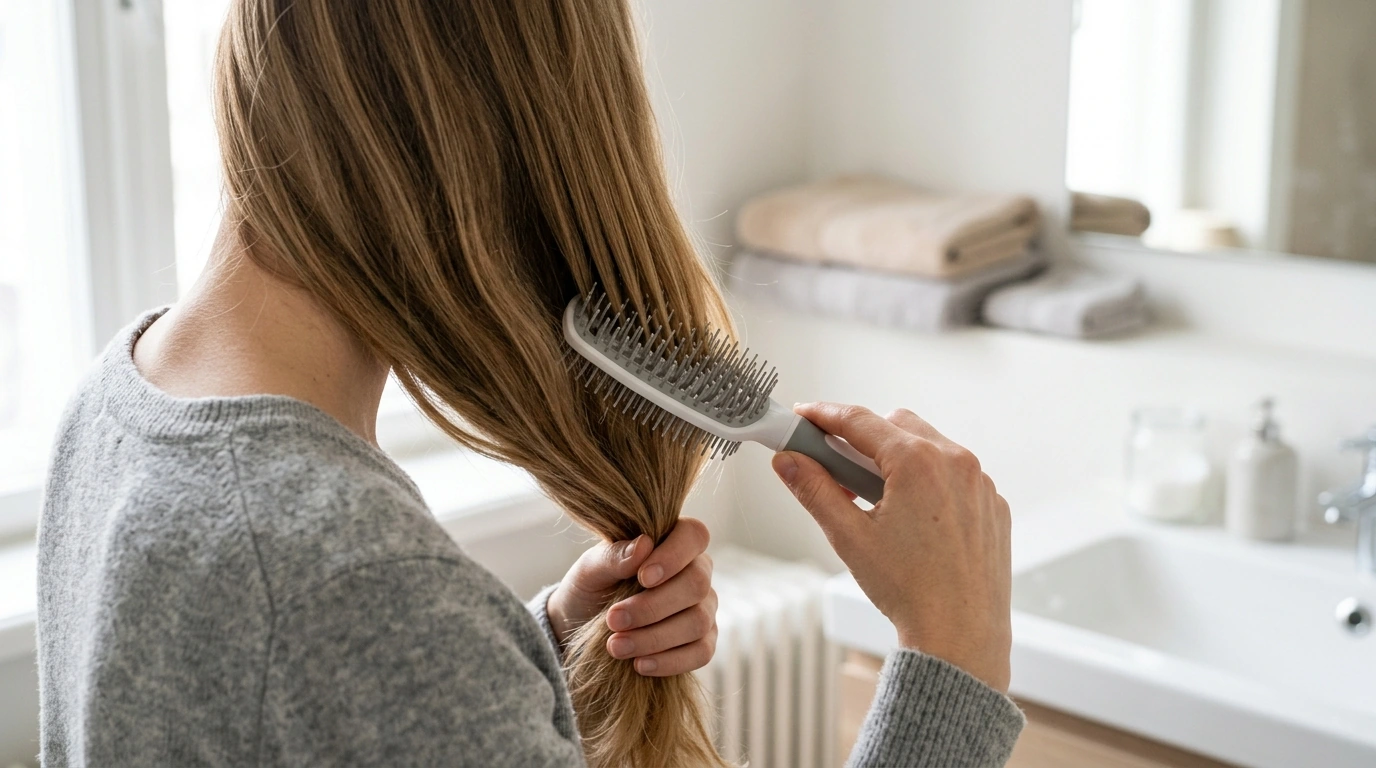
Static and stubborn knots can turn everyday brushing into breakage, frizz, and unnecessary tugging. An anti-static detangling brush is designed to glide through hair more easily, helping reduce flyaways while keeping brushing gentler on strands. The result is a smoother finish—especially on lengths and ends—without needing to “fight” your hair every morning.

What an anti-static detangling brush does differently

When hair is dry (think winter air, indoor heating, or over-washed lengths), friction from brushing can lift the cuticle and create static—those wispy flyaways that make hair look rougher than it actually is. An anti-static detangling brush helps minimize that charge while also making knots less of a tug-of-war.

  • Helps reduce flyaways by limiting static buildup during brushing, especially in dry weather or indoor heating.
  • Detangles with less pulling by flexing around knots rather than forcing through them.
  • Supports smoother finishing on lengths and ends, where tangles and friction are usually worst.
  • Works best when paired with the right routine (sectioning, starting at ends, and using slip from conditioner or detangler when needed).

If brushing usually leaves hair “puffy” or crackly, the biggest upgrade is often gentler contact and fewer harsh passes—not brute force.

Who benefits most

Almost anyone can use a detangling brush, but certain hair types and routines tend to see the most noticeable difference in comfort, frizz control, and reduced snapping.

  • Fine hair prone to static and flyaways, particularly in colder months.
  • Long hair that tangles easily at the nape and ends.
  • Curly or wavy hair that needs gentler detangling to minimize snagging and frizz.
  • Color-treated or heat-styled hair that’s more vulnerable to breakage from aggressive brushing.
  • Kids’ hair detangling, where comfort and speed matter.

For general hair-care guidance, the American Academy of Dermatology Association shares practical tips on everyday hair and scalp care at aad.org.

Quick product snapshot

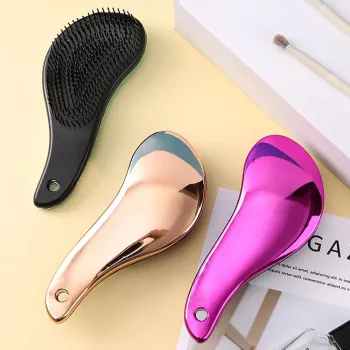
If you want a lightweight brush that’s easy to keep in rotation—bathroom counter, gym bag, or carry-on—this option is built for everyday detangling with less static drama.

  • A lightweight, everyday brush option made for easier detangling and reduced static.
  • Useful as a daily brush at home, in a gym bag, or for travel touch-ups.
  • Designed to be approachable at a budget-friendly price point.

At-a-glance details

Item Details
Product Anti-Static Detangling Hair Brush
Price 10.95 USD
Availability In stock
Use Detangling, smoothing, reducing flyaways from static

How to detangle with less breakage

A great brush can’t fully “undo” rushed technique. The biggest difference comes from reducing tension on the hair fiber—especially around tight knots, fragile ends, and recently bleached or heat-styled lengths. Cleveland Clinic also outlines common causes of breakage and prevention habits at health.clevelandclinic.org.

  • Start at the ends: Hold hair above the tangle and brush the last few inches first, then move upward in small sections.
  • Use light pressure: Short strokes on knots help “tease” them apart; forcing through tangles increases snapping and split ends.
  • Detangle in sections: Especially for thick or curly hair, sectioning reduces repeated passes over the same area.
  • Add slip when needed: A leave-in conditioner or detangling spray can make brushing noticeably easier on dry or textured hair.
  • Be extra gentle on wet hair: Hair is more elastic when wet, so use slow, careful passes and avoid yanking.

A helpful rule: if you can hear the brush “crunching” through knots, slow down and reduce pressure until the sound softens.

Using it on different hair types

Detangling isn’t one-size-fits-all. Matching technique to texture helps you keep definition (waves/curls), avoid breakage (fine or processed hair), and reduce friction (anyone dealing with dryness).

  • Straight hair: Focus on ends and nape; a quick pass can smooth without creating extra static when hair is very dry.
  • Wavy hair: Detangle with minimal passes to preserve wave clumps; consider brushing before styling rather than after setting waves.
  • Curly/coily hair: For many routines, detangling is easiest with conditioner on damp hair; work in sections and stop if curls start to frizz.
  • Fine hair: Keep pressure very light and avoid repetitive brushing at the crown to reduce flyaways and breakage.
  • Thick hair: Use larger sections than a comb, but still split hair into manageable parts to avoid snagging.

Care, cleaning, and longevity

Brushing products, oils, and shed hair can build up at the bristle base, which reduces glide and can make detangling feel rougher over time. A quick upkeep routine keeps performance consistent.

  • Remove shed hair after each use to prevent buildup at the base of bristles.
  • Wash regularly with warm water and mild soap; rinse thoroughly and air-dry bristles-down when possible.
  • Avoid leaving the brush in high heat (like a hot car) to help maintain shape and performance.
  • Replace if bristles deform or if the brush starts snagging more often—performance matters more than appearance.

Common detangling mistakes that cause frizz and static

More everyday essentials (in stock)

FAQ

Does an anti-static brush stop frizz completely?

It can reduce flyaways caused by static and brushing friction, but frizz also depends on moisture balance, damage level, humidity, and styling habits. Pairing gentle brushing with conditioner or a leave-in usually makes the biggest difference.

Is it better to detangle hair wet or dry?

It depends on hair type and routine: many people prefer detangling with conditioner on damp hair for extra slip, while others gently detangle dry hair before washing to reduce time in the shower. Either way, handle wet hair carefully and avoid pulling hard through knots.

How often should a detangling brush be cleaned?

Remove shed hair after each use, then wash the brush periodically based on buildup—often weekly to monthly. Regular cleaning helps maintain glide and keeps the brush more hygienic.

Was this article helpful?

Yes No
Leave a comment
Top

Yay! 10% Off Just for You!

Join our community and enjoy 10% off your first order. Subscribe for exclusive deals!

Shopping cart

×