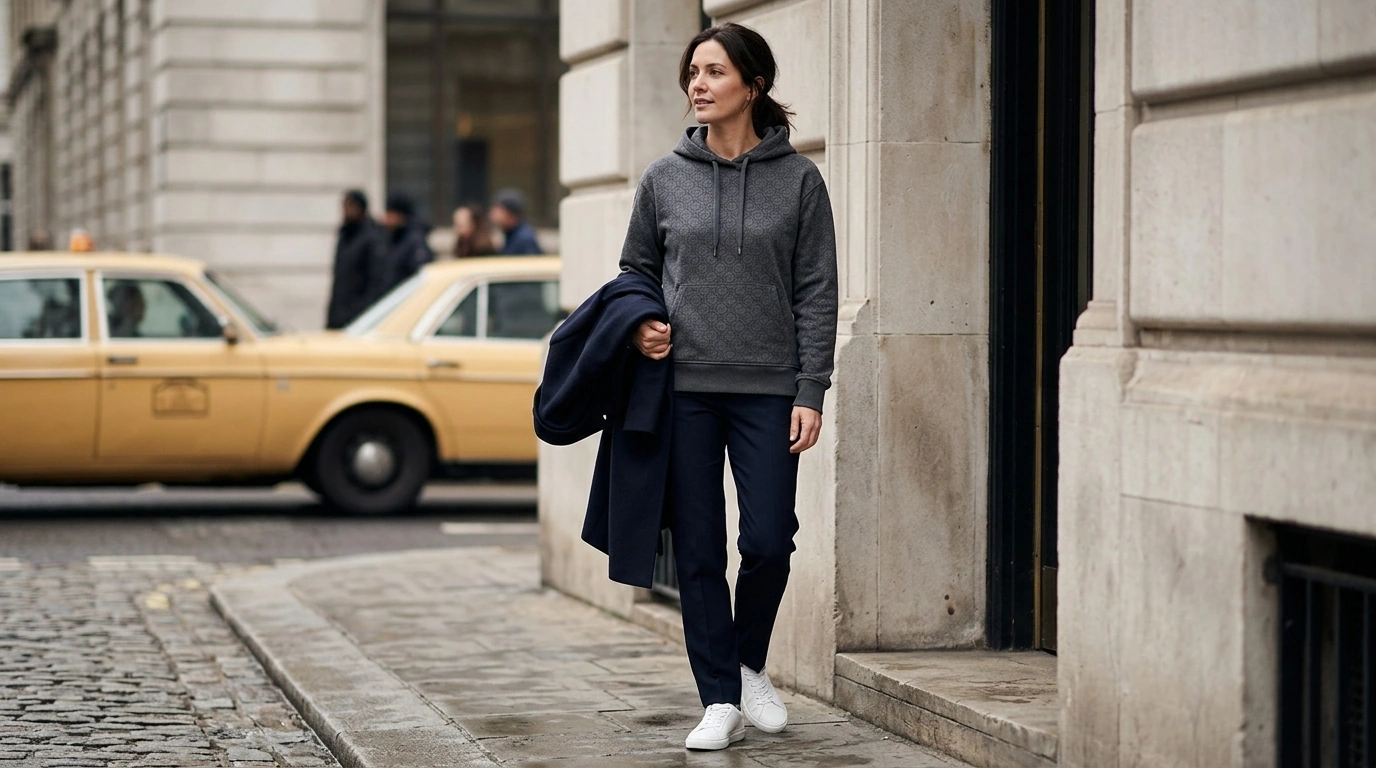
Authenticating Dolce&Gabbana clothing comes down to checking a handful of brand-specific details that counterfeiters often get wrong: labels, stitching, materials, hardware, and the paper trail. Start with the overall feel—authentic pieces typically have substantial fabric weight, clean seams, and consistent finishing that matches the garment’s price point.
Look for crisp printing, correct spacing, and evenly cut label edges. The Dolce&Gabbana logo should appear sharp and centered, with no bleeding ink or fuzzy lettering. On many authentic pieces, the care label includes clear fiber content and country-of-origin details; sloppy alignment or misspellings are immediate red flags.
Turn the garment inside out. Authentic Dolce&Gabbana clothing typically shows straight stitch lines, tidy seam allowances, and secure bar tacks where stress is expected (like pocket corners). Loose threads happen occasionally on any garment, but uneven seam paths, puckering, or inconsistent stitch length is a common counterfeit tell.
Counterfeits often miss the “hand” of the fabric: either too thin, overly shiny, or stiff. For logo-heavy pieces, confirm that monograms and repeats align cleanly across panels and seams. If the design looks slightly blurry, off-scale, or mismatched at joins, proceed with caution.
Authentic hardware tends to feel weighty and operate smoothly. Branding (when present) should be cleanly engraved rather than lightly etched. Flaking finishes, sharp edges, or cheap, lightweight pulls are common warning signs.
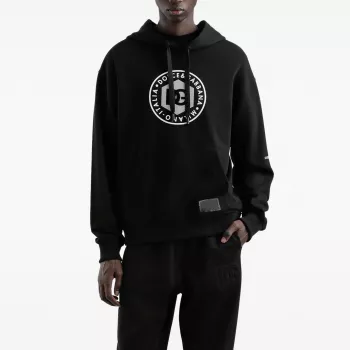
Request original receipts, order confirmations, and close-up photos of tags and interior labels. Compare the item’s details to known authentic references. For a practical example of what to look for on a logo-forward piece, see this guide: Dolce&Gabbana monogram cotton hoodie guide.
Focus on label sharpness, consistent stitching, and precise monogram alignment across seams. The fabric should feel substantial, and any hardware should be smooth, weighty, and neatly finished.








Leave a comment