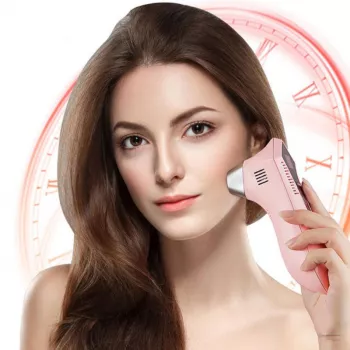
A compact skincare tool that pairs high-intensity focused ultrasound (HIFU) concepts with cooling (cryotherapy) and ultrasound massage to support a firmer-looking, more refreshed complexion. This guide explains what the technologies aim to do, what to expect from at-home use, and how to use it comfortably and safely. For more guidance, see High-Intensity Focused Ultrasound in Dermatology: A Review … – PMC.
This type of at-home facial device is built for routine-based care—think consistent, moderate sessions that support how skin looks and feels over time. In practical terms, it’s designed to: For further reading, see Advances in Anti-aging Procedures: A Comprehensive Review of ….
For everyday skin-aging basics—like why hydration, sunscreen, and gentle routines matter—see the American Academy of Dermatology Association’s anti-aging guidance.
While the terms can sound similar, they often refer to different intensity levels and goals. Ultrasound-based facial tools generally focus on gentle vibration/energy delivery to support a massage effect and product application, while clinical HIFU is a medical procedure performed with professional devices. (For a clear overview of clinical HIFU, the Cleveland Clinic’s HIFU explanation is a helpful reference.)
| Function | What it feels like | Common routine goal | Where it fits in a session |
|---|---|---|---|
| Ultrasound massage (non-invasive) | Gentle vibration/warmth depending on settings | Smoother-looking skin and better glide with skincare | Middle of routine with gel/serum |
| HIFU-style focused energy concept | Targeted sensation; should not be painful | Support a firmer appearance over time | Short, controlled passes on key areas |
| Cryotherapy cooling | Cool, soothing contact | De-puffing look and comfort finish | End of routine or between areas |
| Consistent technique | Light-to-moderate pressure | More even experience and fewer irritation issues | Throughout the session |
The biggest difference between a comfortable session and an irritating one usually comes down to glide, pressure, and patience. A simple approach:
| Step | Time guide | Notes |
|---|---|---|
| Prep + gel/serum | 1–2 min | Aim for easy glide; reapply if it starts to tug |
| Cheeks + jawline | 3–6 min | Upward strokes; keep moving |
| Forehead | 1–3 min | Gentle pressure; avoid hairline pulling |
| Cooling finish | 1–3 min | Especially helpful if skin looks flushed |
| Aftercare | 1–2 min | Moisturize; SPF in daytime |
For broader consumer safety considerations related to cosmetic treatments and devices, review the FDA’s consumer updates.
No—professional HIFU is performed with medical-grade equipment that can deliver stronger, more targeted energy. At-home HIFU-style devices are typically milder and intended for gradual, routine-based improvements in the look of firmness.
Start conservatively, keep the device moving, and use plenty of gel/serum for slip to minimize drag. Many people do best with shorter sessions a few times per week, but the safest schedule is the one recommended in the device instructions and adjusted for personal sensitivity.
If your skin is sensitive, avoid using retinol or exfoliating acids on the same day as heat/massage routines to reduce the chance of dryness or irritation. Focus on barrier-friendly moisturizer and consistent daytime SPF, and reduce frequency if you notice tightness or flaking.









Leave a comment