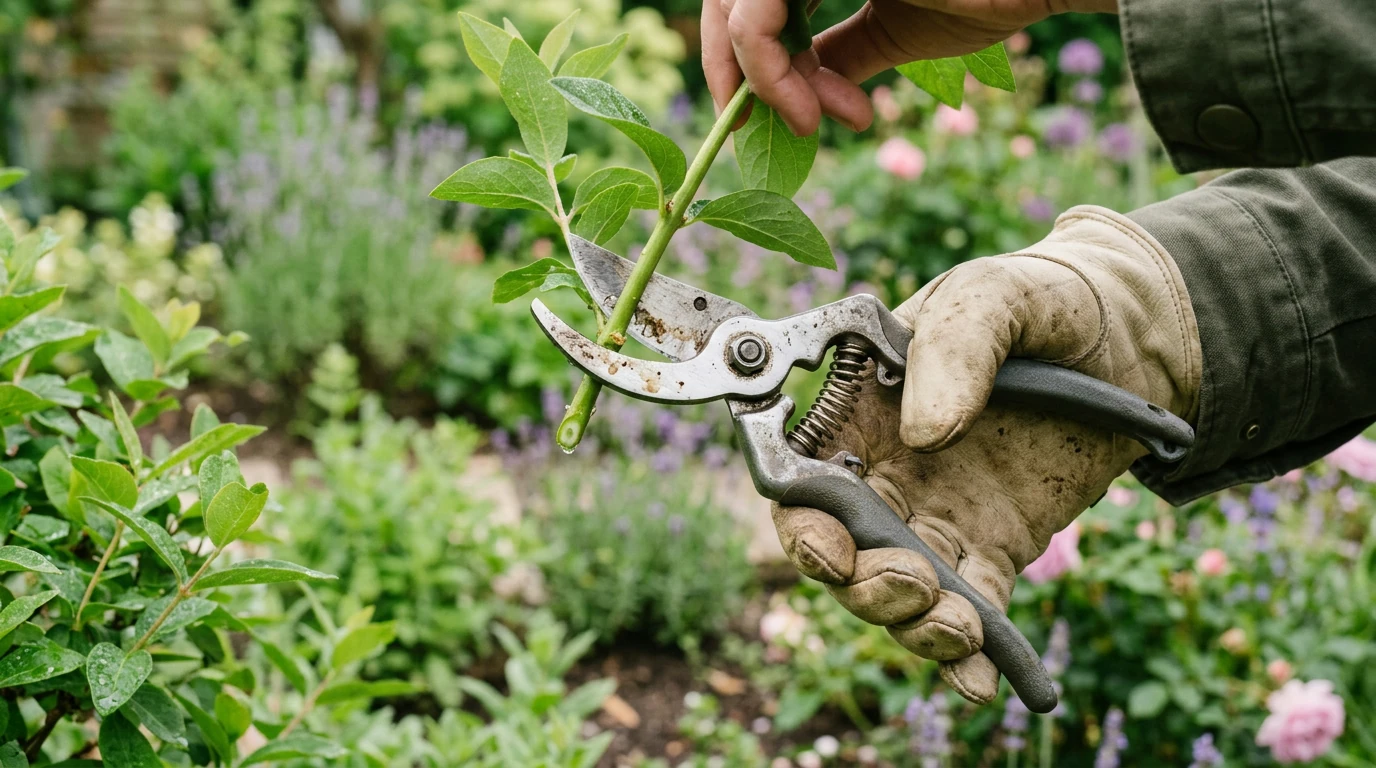
Bypass pruning shears are built to slice stems cleanly—one sharp blade passing by a counter blade—making them a dependable choice for shaping shrubs, trimming flowers, and harvesting herbs. A SK-5 steel blade adds an edge-holding advantage for frequent garden use, while proper technique and basic upkeep help prevent crushed stems and ragged cuts. For more guidance, see Pruning Tools | University of Maryland Extension.
Bypass pruners work like sturdy scissors: the cutting blade moves past a counter blade with a very tight gap. That “pass-by” action is what makes them such a strong all-around option for living plants. For further reading, see Development of a Tool to Detect Open-Mouthed Respiration in ….
For plant health basics and timing guidance, two reliable references are the Royal Horticultural Society pruning guides and the University of California Agriculture and Natural Resources pruning basics.
Blade steel influences how sharp a tool can get, how long it stays that way, and how much effort each cut takes. SK-5 is a high-carbon steel widely used in cutting tools because it can take a keen edge and keep it through repeated use.
| Material | Typical strengths | Watch-outs | Best for |
|---|---|---|---|
| SK-5 high-carbon steel | Very sharp edge potential; strong edge retention | Needs basic care to reduce rust risk | Frequent pruning, clean cuts on live growth |
| Stainless steel (general) | Good corrosion resistance; low maintenance | May need sharpening more often depending on grade | Occasional pruning, humid climates |
| Coated carbon steel | Reduced friction; some corrosion protection | Coatings can wear over time | Sap-heavy plants and repetitive cutting |
Even a great blade can underperform if the pivot is sloppy or the handles fight your grip. When comparing bypass shears, a few build details usually make the difference between “fine for a weekend” and “feels right all season.”
Small signs of quality show up fast: the blades meet cleanly, the cut doesn’t “chew,” and the tool closes smoothly without having to squeeze harder at the end of the stroke.
Clean cuts aren’t only about sharpness—they’re also about how the blade meets the stem. A couple of positioning habits help keep the remaining stem neat and reduce the chance of tearing.
| When | What to do | Why it helps |
|---|---|---|
| After every use | Wipe clean and dry; remove sap | Prevents sticking and reduces corrosion risk |
| Weekly (heavy use) | Light oil on pivot and blade contact | Smoother action; less wear |
| As needed | Sharpen the cutting bevel | Cleaner cuts; less hand strain |
| Seasonally | Deep clean, inspect for nicks, check lock and pivot | Extends tool life and improves safety |
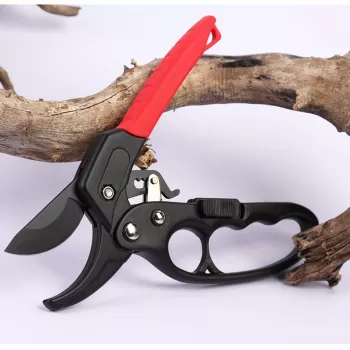
If clean slicing is the goal—especially on flowers, herbs, and green shrub growth—Premium Bypass Pruning Shears with SK-5 Steel Blade are designed around controlled cuts rather than crushing pressure. The SK-5 blade supports sharpness for repeat cuts, and simple habits (wipe, dry, and a light oil after sap-heavy jobs) help keep performance consistent.
| Item | Details |
|---|---|
| Name | Premium Bypass Pruning Shears with SK-5 Steel Blade |
| Price | 28.80 USD |
| Availability | In stock |
| Product page | View product |
Often, yes—bypass shears typically make cleaner cuts on green, living stems, which reduces crushing compared with many anvil designs. The best choice still depends on stem thickness and the hardness of the wood.
SK-5 is a high-carbon steel, so it can develop spot rust if it’s left wet or dirty. Wiping the blade clean, drying it, and applying a very light oil film greatly reduces rust risk.
Sharpen when cuts start to take more force or when the cut surface looks ragged instead of smoothly sliced. During heavy pruning seasons, quick touch-ups can help maintain clean cuts without waiting for the blade to get dull.











Leave a comment