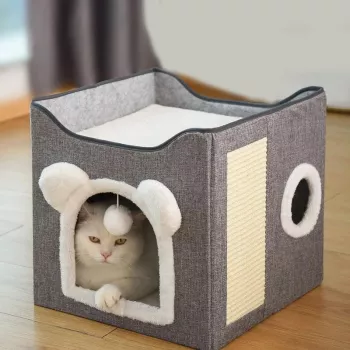
A warm, plush bed can make a noticeable difference in how comfortably a cat rests—especially for kittens, seniors, short-haired breeds, and cats that seek snug, enclosed spaces. The right bed supports deeper naps, reduces “bed-hunting” around the house, and gives your cat a reliable place to reset after play, meals, and busy household moments. Below is a practical guide to choosing a plush warm cat bed, placing it where it gets used, and keeping it fresh so it stays a favorite.
Cats naturally seek stable, comfortable microclimates. Warmth can be especially appealing in cooler rooms, near exterior walls, or on hard floors that feel chilly during the night. A plush surface adds softness under sensitive paws and joints, encouraging longer rest periods and calmer settling.
A dedicated bed also helps prevent cats from “claiming” laundry piles, closet corners, and couch cushions. If your cat prefers protected resting positions—tucked paws, curled spine, head supported—bolsters and enclosed shapes can provide a secure boundary that feels safe without being restrictive.
Plush warm beds tend to be a great match for cats that curl up tightly, prefer soft surfaces, or seek extra coziness during colder seasons or air-conditioned months. Common placement winners include quiet corners, a bedroom nook for nighttime lounging, or near a sunny window. If you place the bed near a radiator or heater, keep a safe distance and check the surface temperature with your hand first.
| Feature | Why it matters | What to look for |
|---|---|---|
| Plush lining | Encourages settling and reduces pressure points | Dense, soft pile that stays fluffy after washing |
| Supportive base | Helps comfort on hard floors and for older cats | Thicker padding or structured bottom |
| Raised sides/bolsters | Adds a sense of security and a head-rest option | Even, padded walls that keep shape |
| Non-slip underside | Prevents sliding when cats jump in | Rubberized or textured base |
| Easy cleaning | Controls odor, dander, and allergens | Machine-washable or removable cover |
Start with a quick measurement of your cat’s curl-up length: observe a typical sleeping curl and measure from nose to the base of the tail (or to the back paws if they tuck tightly). A bed should allow a comfortable curl with light contact against the sides—enough to feel supported, not so much that your cat can’t shift positions.
Shape matters as much as size. Curlers often prefer round, nest-like beds with raised edges, while stretchers may settle better into a larger oval or a flatter style that doesn’t “push back” on their shoulders. In multi-cat homes, multiple beds in separate zones can reduce guarding and keep timid cats from avoiding the best spots.
If your cat falls between sizes, let behavior decide: size up if your cat frequently sprawls or changes positions mid-nap; choose the snugger option if your cat consistently burrows and seeks close contact with the sides.
Warmth is comforting—until it’s too much. Use the room as the thermostat: in heated homes or warm climates, place the bed away from direct sun and away from heat vents that can create “hot spots.” Watch for cues that the bed is too warm, such as frequent repositioning, moving off the bed to cool surfaces, or restlessness during normal nap times.
Cats that run hot or have thicker coats may do best with a plush bed that still breathes and isn’t tightly enclosed. Seniors and short-haired cats often appreciate a location that stays gently warm overnight, especially if your home cools down after dark. For broader cat wellness guidance, reputable resources like the Cornell Feline Health Center and the ASPCA Cat Care pages can help you fine-tune comfort and daily routines.
Pick quiet, predictable locations first: a living room corner away from foot traffic, a bedroom nook, or a low-traffic home office. Many cats rest more confidently when they can see the room while staying protected by bolsters, so try positioning the bed with a wall behind it and a clear view outward.
Before ordering, confirm current price, availability, images, and sizing details on the Plush Warm Cat Bed product page. If it’s a gift, consider whether the cat is a curler or stretcher and whether the home has cool floors, drafts, or air-conditioned rooms where extra coziness gets used most.
Measure your cat in a typical curled sleeping position and choose a bed that allows curling with gentle contact against the sides. Size up for cats that sprawl, and choose a snugger fit for cats that consistently burrow and seek close boundaries.
Yes, but placement matters. Keep the bed away from heat sources in warmer months, and choose a spot with airflow if your cat tends to run warm.
Many beds do well with washing every 1–2 weeks for heavy shedders or allergy concerns and monthly for lighter shedding, with spot-cleaning as needed. Use gentle detergent and dry the bed completely to prevent lingering odors.











Leave a comment